




Portugal has declared a national day of mourning after an iconic railway cable car crashed in Lisbon, killing at least 17 people and injuring about 20 others.
The 140-year-old Glória funicular, which is popular with tourists, derailed and crashed into a building near Liberty Avenue at around 18:15 local time (17:15 GMT) on Wednesday 3rd September 2025.
Foreign nationals are among those killed, authorities said, although the identities of the victims have not been confirmed. Some of the injured are in a serious condition. Lisbon's mayor Carlos Moedas called it a "tragic day for our city". Footage shared on social media showed the crumpled yellow funicular overturned in the cobblestone street and people running from the area as smoke filled the air. Several passengers trapped in the wreckage had to be freed by emergency responders, authorities said.
Officials have not confirmed what caused the crash, but eyewitness reports suggested that the braking system on the cable-hauled funicular failed, sending it hurtling down the steep street and into a building. A witness told Portuguese TV channel SIC that the funicular, which can carry around 40 people, "hit a building with brutal force and collapsed like a cardboard box; it had no brakes".
https://www.bbc.co.uk/news/articles/c1jzlgj915no
img: ID 38285338 © Dennis Van De Water | Dreamstime.com
 The catastrophic crash of an Air India Dreamliner flight in June killed 241 passengers and crew members. However, the tragedy also told a remarkable story of survival – a lone passenger who defied near-impossible odds to walk out of one of the deadliest aviation disasters in recent history with minor injuries.
The survivor, 41-year-old Viswashkumar Ramesh, was in seat 11A next to an emergency exit, and managed to jump out of the aircraft after it crashed into a hospital compound near Ahmedabad airport in western India.
The news stirred a familiar, global obsession: Which seat is the safest in a crash? The question surfaces whenever there is a single survivor, or a handful of survivors, in devastating crashes. A Reuters analysis shows there is no universally “safe seat” or section of an aircraft, at least in extraordinary cases of survival, and who lives often depends on a complex mix of factors.
https://www.reuters.com/graphics/AVIATION-SAFETY/lgpdaagabvo/
img: public domain
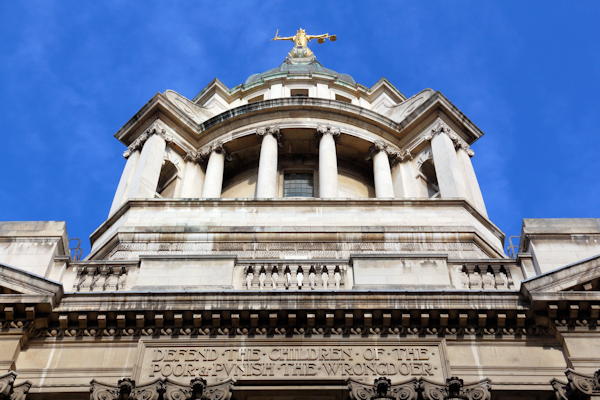
The body running courts in England and Wales has been accused of a cover-up, after a leaked report found it took several years to react to an IT bug that caused evidence to go missing, be overwritten or appear lost.
Sources within HM Courts & Tribunals Service (HMCTS) say that as a result, judges in civil, family and tribunal courts will have made rulings on cases when evidence was incomplete.
The internal report, leaked to the BBC, said HMCTS did not know the full extent of the data corruption, including whether or how it had impacted cases, as it had not undertaken a comprehensive investigation.
It also found judges and lawyers had not been informed, as HMCTS management decided it would be "more likely to cause more harm than good".
HMCTS says its internal investigation found no evidence that "any case outcomes were affected as a result of these technical issues".
However, the former head of the High Court's family division, Sir James Munby, told the BBC the situation was "shocking" and "a scandal"
https://www.bbc.com/news/articles/cwye2q00k51o.amp
img: ID 74559547 | Justice Statue © Tupungato | Dreamstime.com
Report on substation fire which closed Heathrow
Neso has just published the final report on the North Hyde 275kV substation fire which impacted over 70,000 thousand customers, including Heathrow Airport resulting in a decision to close the airport.
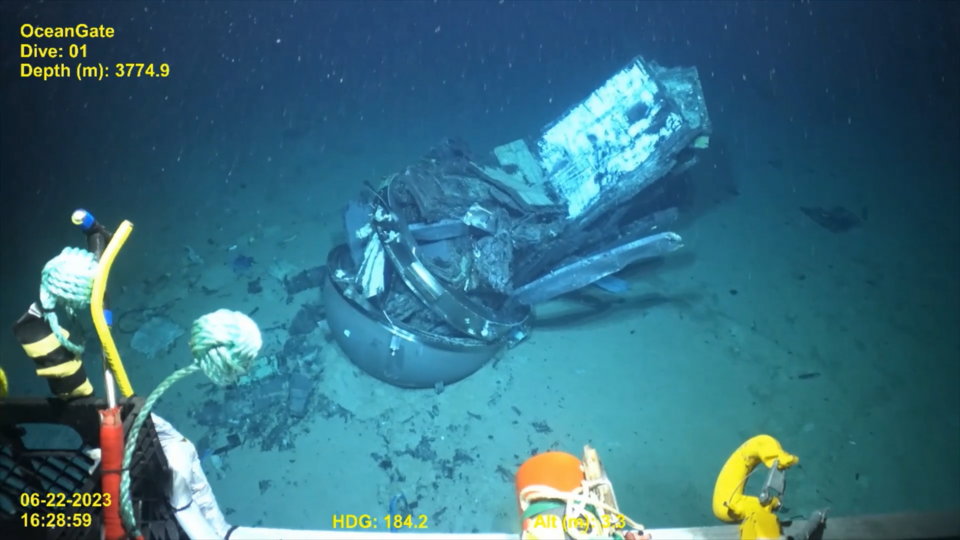
Titan sub firm used 'intimidation tactics' and 'critically flawed' safety practices, Coast Guard report finds
A damning report published by the US Coast Guard on 5th August 2025 looked at what went wrong in June 2023, when the Titan submersible took five people on an expedition to see the Titanic shipwreck - but the sub imploded, killing all on board.
The implosion of the vessel was caused by the loss of structural integrity of its carbon fibre hull, exposing passengers to "approximately 4,930 pounds per square inch of water pressure", the report found. They died instantaneously.
The tragedy was "preventable", it said.
Investigators found “critically flawed” safety practices at the sub's owner OceanGate Expeditions, and said it used "intimidation tactics" for several years before the disaster to avoid scrutiny.
Much of the blame goes to the Chief Executive Stockton Rush, the US Coast Guard said. He was on board and also died in the disaster. The report found he "exhibited negligence that contributed to the deaths of four individuals".
The company failed to follow safety protocols. It was under financial pressure and had a "toxic workplace environment", using the firing of senior staff and the "looming threat" of being fired to dissuade employees and contractors from expressing safety concerns, the report found.
https://www.bbc.co.uk/news/live/cdjxp4n2371t
img: Public Domain