



According to the report by India's Aircraft Accident Investigation Bureau (AAIB), switches in the Boeing 787 Dreamliner's cockpit that controlled fuel moved to a "CUTOFF" position.
It said: "Engine 1 and Engine 2 fuel cutoff switches transitioned from RUN to CUTOFF position one after another with a time gap of one second.
"The Engine N1 and N2 began to decrease from their take-off values as the fuel supply to the engines was cut off."
There was then confusion in the cockpit. In the voice recording, one of the pilots is heard asking the other why he "cut off". The other pilot responds that he did not do so.
The 15-page report did not identify which comments were made by the flight's captain and which were made by the first officer. One of the pilots made a "mayday, mayday, mayday" call just before the crash.
Both pilots were experienced, with around 19,000 flying hours between them, including more than 9,000 on the 787.
img: Prime Minister's Office (GODL-India), GODL-India <https://data.gov.in/sites/default/files/Gazette_Notification_OGDL.pdf>, via Wikimedia Commons
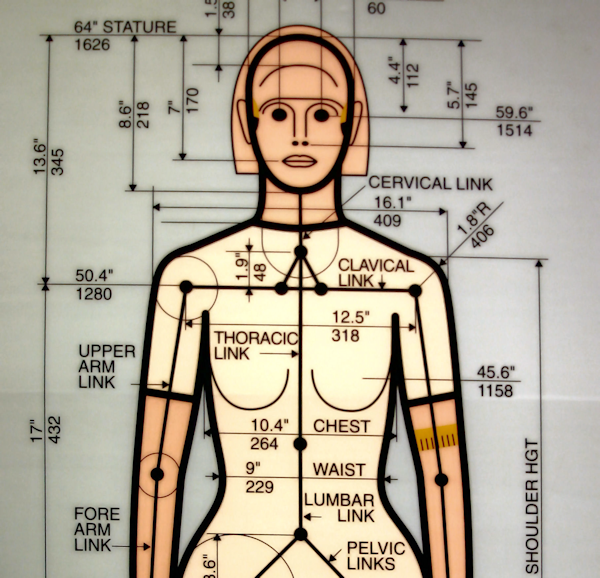
Women are 73% more likely to be seriously injured in a head-on car crash compared with men in the same crash. Female drivers and front-seat passengers are 17% more likely to be killed in a car crash than a male occupant of the same age, according to multiple studies conducted over the last five years.
Chris O’Conner, president and CEO of Humanetics, one of the world’s leading producers of crash test dummies, said that’s for a relatively simple and chilling reason: Cars are not designed to be safe for women.
“If you look back in history, the crash test dummy was designed around a male, and that male became the baseline,” O’Conner said, adding that vehicles are being designed “around a male.”
Republican Sen. Deb Fischer’s "She DRIVES Act" would raise the standards for car safety testing, promoting the use of "crash test dummies that reflect a woman’s lighter frame."
img: ID 968714 © Michelle Marsan | Dreamstime.com
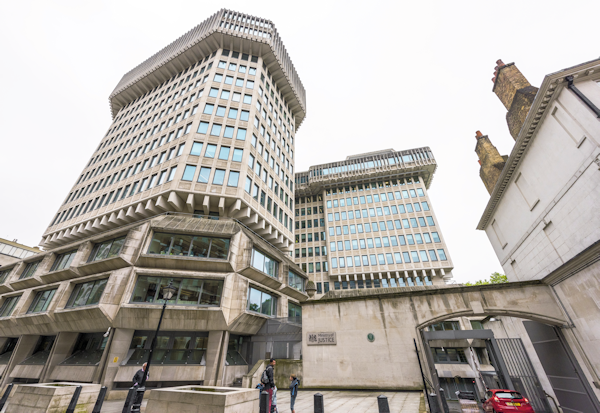
Current principles around the use of evidence generated by computer software in criminal proceedings were established over two decades ago, with the common law presumption that a computer was operating correctly unless there is evidence to the contrary. In simple terms, ‘the computer is always right’, unless someone can show it is not.
The limitations of this presumption have been highlighted starkly by the Post Office Horizon scandal, which saw hundreds of sub-postmasters wrongly convicted. These convictions were based on evidence which we now know to have been false, due to faults in the Horizon accounting software system, clearly demonstrating the fallibility of evidence produced by software.
Over the twenty-five years since the presumption was last looked at the use of computers and software has evolved beyond all recognition and the Government believes the time is right to re-examine this important area, to ensure it is fit for purpose. The government is now welcoming the views of all those with an interest in this area of criminal procedure, to provide insights to help ensure the criminal justice system is fair and effective, both now, and for years to come.
img: ID 81761866 © Msalena | Dreamstime.com
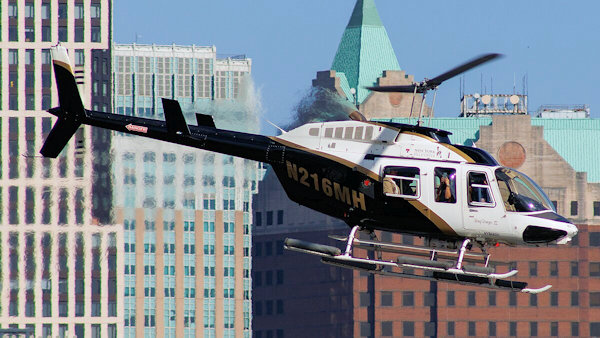
A helicopter crashed into the Hudson River in New York on 10th April 2025, killing all six people onboard, including the pilot and a family of Spanish tourists with three children. The sightseeing helicopter broke apart in midair and crashed upside down into the Hudson River between Manhattan and the New Jersey waterfront shortly after 3pm, leading to a huge response from emergency crews.
Witness Bruce Wall told the Associated Press he saw the helicopter “falling apart” in midair, with the tail and propeller coming off. The propeller was still spinning without the aircraft as it fell, he said.
https://www.theguardian.com/us-news/2025/apr/10/helicopter-crash-new-york
img: public domain (Mackenzie Logie, CC0, via Wikimedia Commons)
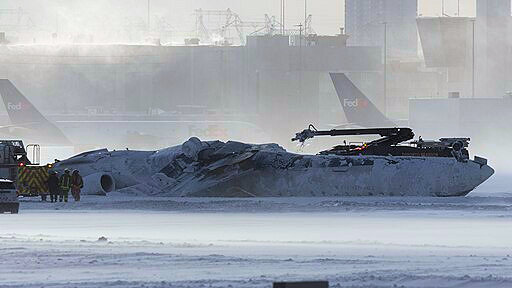
All 80 people on board a plane which crashed and overturned while landing in Toronto have survived, officials said.
The Delta Air Lines flight from Minneapolis skidded along the runway with flames visible and it came to a halt upside down as firefighters came to the rescue. Survivors said they were suspended upside down in their seats and had to release themselves, dropping on to the ceiling before clambering out on to the snow-covered tarmac. Eighteen people were injured but only a small number are thought to be seriously hurt, and investigators are looking into what caused the crash. There were 76 passengers and four crew on board the 16-year-old CRJ900 aircraft, made by Canada's Bombardier company.
https://www.bbc.co.uk/news/articles/c20g02djlv7o
img: YYZBrennan, CC BY-SA 4.0 <https://creativecommons.org/licenses/by-sa/4.0>, via Wikimedia Commons